
20 October 2026
Exam stress in teenagers: calming techniques that really help
Exam season can feel overwhelming for young people and the families around them. Here are simple breathing and relaxation techniques your teenager can use anywhere, and how you can help.
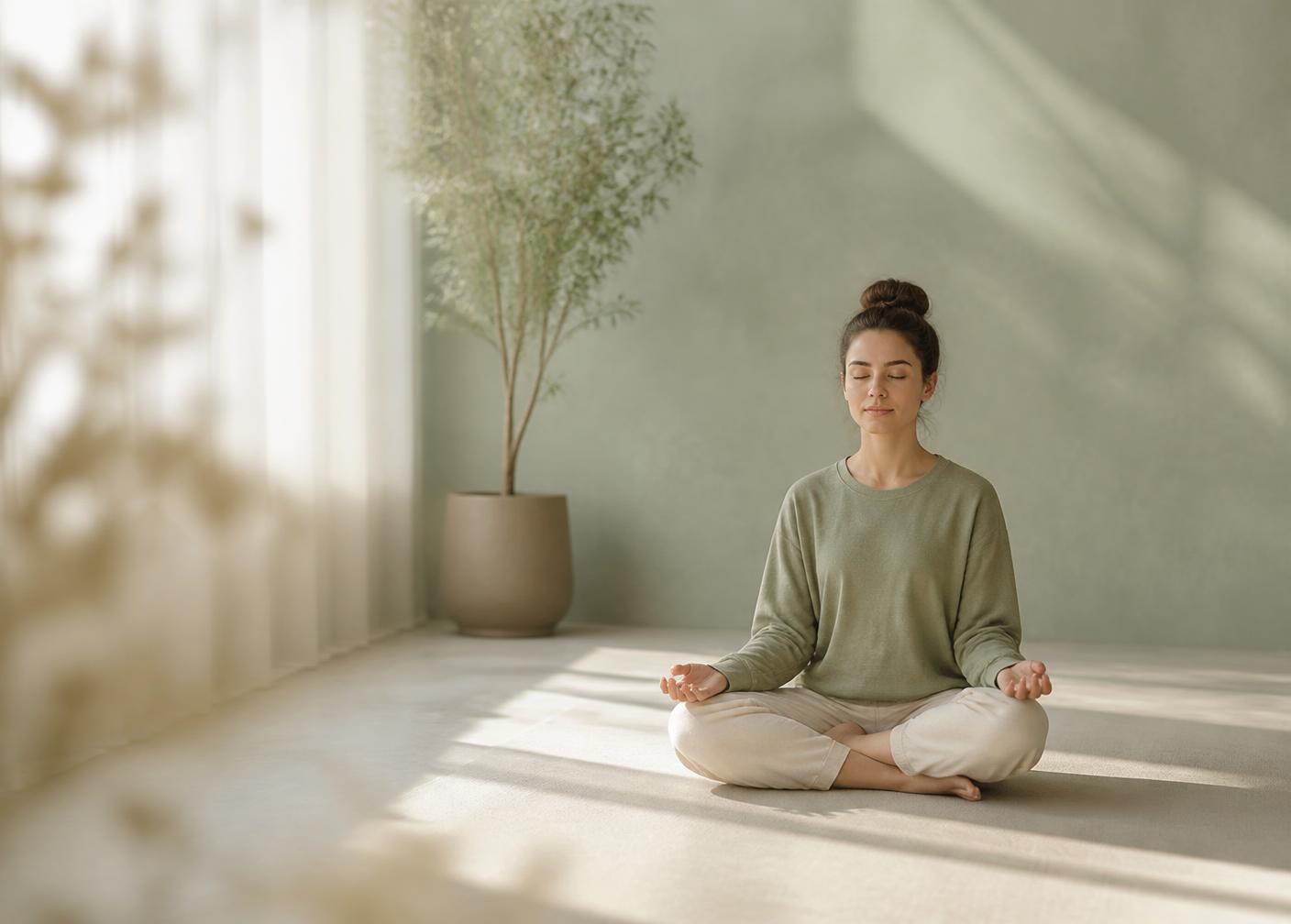
Exam season can feel overwhelming, not just for the young person sitting the exams but for everyone at home. Some nerves are normal and can even help with focus. When the pressure builds up, though, it can affect sleep, concentration and confidence, just when they are needed most.
Through the accredited Be Chill programme, I teach young people simple relaxation techniques for exactly these moments. The good news is that most of them take a minute or two, need no equipment, and can be used anywhere, including in the exam hall.
Signs your teenager may be feeling exam stress
Every young person is different, but common signs include:
- Trouble falling asleep, or waking in the night
- Headaches, stomach aches or feeling sick before school
- Being more irritable, tearful or withdrawn than usual
- Finding it hard to concentrate or remember things they know
- Avoiding revision altogether, or revising late into the night
- Talking about themselves negatively ("I'm going to fail", "I'm useless")
Why calming the body helps the mind
When we feel under threat, the body's stress response speeds up the heart and breathing and tightens the muscles. That is useful for running away from danger, but not for recalling facts in an exam. Slow, steady breathing and gentle movement send the body the opposite message: that it is safe to settle. As the body calms, thinking often becomes clearer.
This is the idea at the heart of sophrology: a calm mind in a relaxed body.
Five calming techniques to try
1. Square breathing
Square breathing is one of my personal favourites because it is easy to remember and nobody notices you doing it.
- Breathe in gently through your nose for a count of four.
- Hold for a count of four.
- Breathe out slowly for a count of four.
- Hold for a count of four.
- Repeat four or five times.
Imagining tracing the sides of a square as you count can help keep the mind on the breath.
2. Shoulder pumping
Stress often sits in the shoulders. Breathe in and hold the breath, then gently lift and lower your shoulders a few times. As you breathe out, let the shoulders drop and feel the tension release. Repeat two or three times, then notice how your shoulders feel.
3. Balloon breathing
A lovely one for younger brothers and sisters too. Imagine blowing up a balloon in your favourite colour with a long, slow breath out, watching it grow bigger with each breath. Long out-breaths are especially calming.
4. Picturing it going well
Many young people replay the worst that could happen. Instead, sit comfortably, close your eyes and picture the exam day going well: arriving calmly, reading the first question, knowing where to start, and walking out feeling relieved. Practising this a few times before the exam helps the real day feel more familiar.
5. Protecting sleep
Sleep is when memory does much of its work. A regular bedtime, screens away well before sleep, and a few minutes of slow breathing in bed can make a real difference, especially in the week before exams.
How parents and carers can help
- Keep calm yourself. Young people pick up on our stress. Using these techniques yourself shows them they work.
- Listen more than you advise. Sometimes they just need their worries heard.
- Help them plan breaks. Short, regular breaks, food, water, fresh air and movement all help revision stick.
- Praise effort, not just results. Remind them that their worth is not a grade.
- Practise together. A minute of square breathing before school can become a shared, calming habit.
My Families in Balance programme is designed for exactly this: helping young people and their families feel calmer together during the pressures of this stage of life.
When to get more help
If stress is lasting, getting worse, or stopping your teenager from eating, sleeping or going to school, speak to their GP or the school's pastoral team. Relaxation techniques are a helpful support, but they do not replace medical care or treatment.
Common questions
Can sophrology help with exam nerves?
Sophrology combines breathing, gentle movement and visualisation, all of which help the body relax. Many young people find it gives them practical tools to use before and during exams.
How quickly do these techniques work?
Many people feel a little calmer after a few rounds of square breathing. Like any skill, they work best when practised regularly, not just on the day.
Can my teenager use these in the exam room?
Yes. Square breathing and picturing a calm start are silent and invisible to others, so they can be used at the desk.
If you would like to know more about the Be Chill or Families in Balance programmes, see support for individuals and families or get in touch.